





Call now to speak with our Student Support Team
https://www.youtube.com/watch?v=bYnCvCVJBBA
Learn how to bring your soils back to life!
There are only 50 places available in the
Farmers Around the World are Struggling to Find a Better Way
These critical issues, along with demand for ecologically produced foods, are motivating farmers, ranchers, and growers to switch to Regenerative Agriculture.
But they need support to make the transition happen rapidly and effectively…that’s where you can help!
1
Pests and Diseases
It can feel like it’s a never-ending battle fighting against all the different critters out there that want to take your crops down.
2
Compaction
Layers of compacted earth result in soil erosion and they make it really tough for plant roots to penetrate deep into the soil profile.
3
Nutrient Deficiency
Diminishing soil fertility is a major problem around the world. This results in lower yields and produce that is nutrient deficient.
4
Drought and Flooding
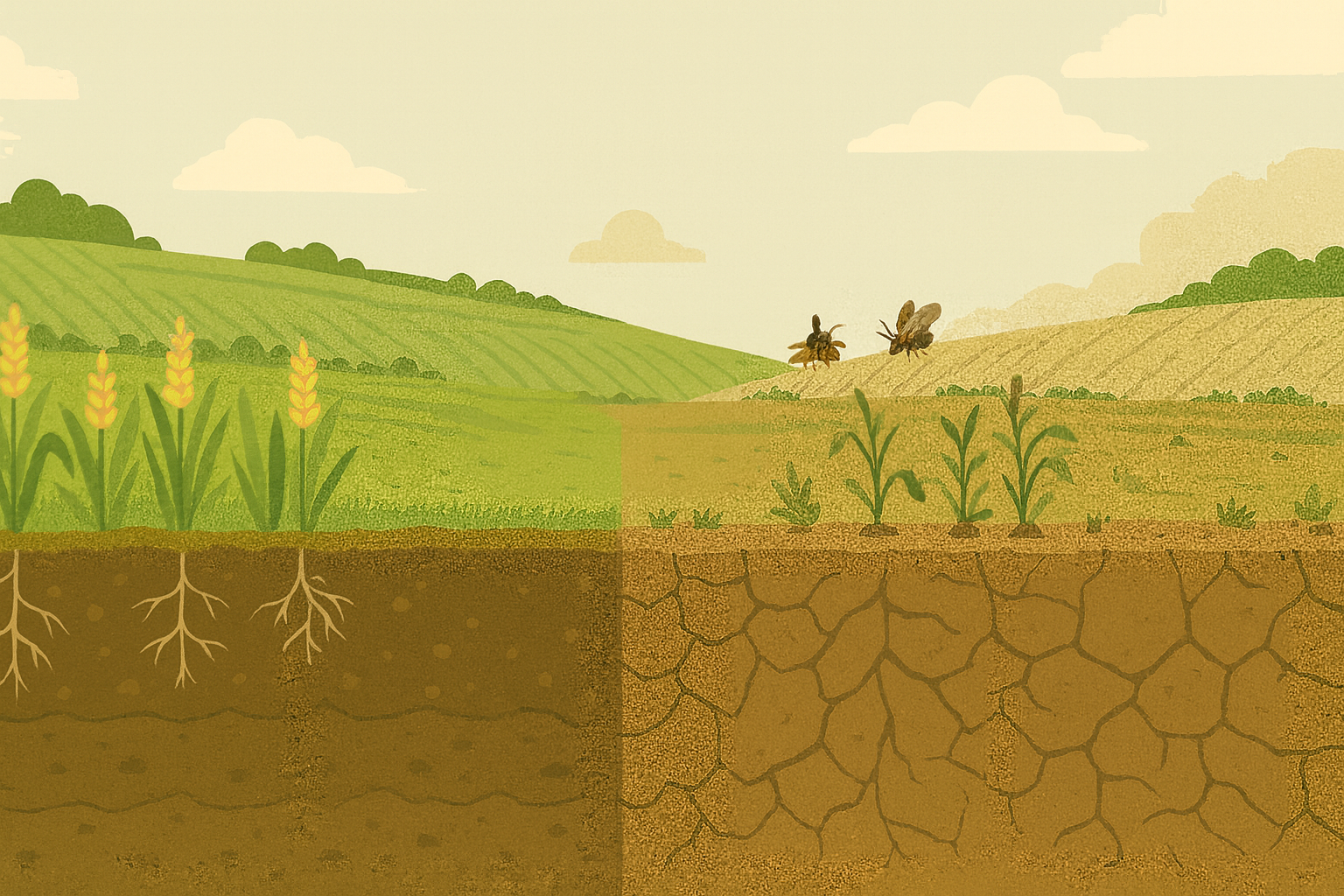
As soil structure and organic matter content are degraded over time, the soil’s ability to infiltrate and hold water is compromised.
5
Low Crop Yields
Many farmers are experiencing diminishing crop yields despite the fact that they are pouring on more and more chemical fertilizer year after year.
6
Increasing Input Costs
For many farmers, the costs of chemical inputs seem to rise every year, making it harder and harder to earn a living.
The Foundation Courses+ 2025 Curriculum
Foundation Course 1
Introduction to the Soil Food Web
- Understanding soil
- The benefits of the Soil Food Web
- Soil food Web microorganisms
- Working with the Soil Food Web
- Case studies
Foundation Course 2
Making BioComplete™ Compost
- The history of Compost
- BioComplete™ Compost
- Making BioComplete™ Compost
- Large scale production
- Application methods
Foundation Course 3
Making BioComplete™ Extracts & Teas
- Producing BioComplete™ extracts
- Producing and balancing BioComplete™ teas
- Application methods
Foundation Course 4
Microscopy
- Using the compound microscope
- Biological morphology
- Interpreting data
Click Here to Learn More About the Foundation Courses
In the Soil Food Web Foundation Courses, you’ll learn:
- How soil functions on a biological level
- How to make biological compost and liquid soil amendments and how to apply them to the soil so that the soil biome can be rapidly restored to health.
- About the management practices that need to be adopted to protect the soil biome so it can continually flourish into the future.
- How to use the microscopy techniques developed by Dr. Elaine Ingham, to assess the quality of your compost and liquid amendments before you apply them to your soil. And how to track the development of the biology in your soils over time.
These are all great skills to have at your disposal, whether you’re working on regenerating farmland or the soils in your garden, as repairing the soil biome will dramatically accelerate the regeneration process, so you can start to see the results as soon as in the first growing season.
You’ll get to attend monthly webinars with Dr. Elaine’s team (and guest speakers) and you’ll get access to a dedicated forum where you can connect with other students and ask questions that will be answered by the faculty.
The Benefits for Farmers, Ranchers, and Growers
Having a healthy, functional soil results in several benefits that farmers are becoming aware of as the Regenerative Agriculture movement grows. Many of these benefits can be seen in months, rather than years, once the Soil Food Web is restored. That’s the microbial community that drives the soil ecosystem.

Improved Soil Fertility
With beneficial biology in the soil, plants get to control their own nutrition by exchanging simple sugars for the nutrients they need, when they need them. Click here to learn more.

Reduced Pests & Disease
The Soil Food Web protects plants from disease-causing organisms and pests in a number of different ways. Click here to watch the video about this.

Increased Yields
Improved nutrition and soil structure as well as protection against pests and diseases are some of the ways in which plants are positively affected, resulting in increased yields. Learn more.

Drought & Flooding
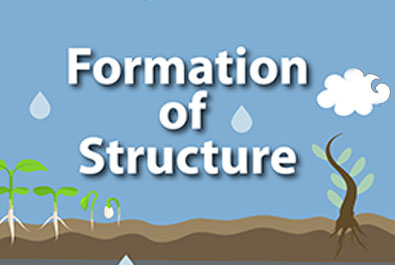
Beneficial soil microbes build soil structure, which enables water to better infiltrate clay soils while increasing the water-holding capacity of sandy soils. Increased organic matter is also very important. Learn more.

Compaction
With the Soil Food Web Approach, we enlist the help of beneficial microbes to build soil structure and we also adopt management practices such as no-till to ensure that compaction doesn’t recur. Learn more.

Reduced Input Costs
Your plants can get what they need from the soil once you have the right biology in place. This includes nutrition and protection from pests and diseases. Click here to learn more.
”150% Increase in Yields with Many Costs Reduced by 60%
Shane Plath, Passionate HorticulturalistOrganic Banana Farm Owner, Employing 2,000 People
"Our farm was in serious trouble, but after implementing Dr. Elaine’s approach we increased our yield by 150% in a single season, and repeated these results on different soils at different farms. We also cut many input costs such as fertilizers by at least 60%."
How It Works
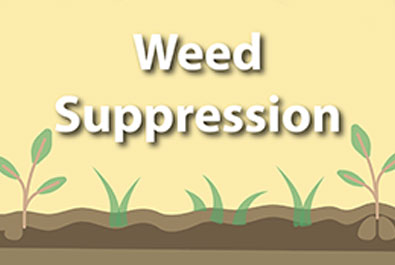
Please take a look at these animations that explain how natural soils function.
Sign me upHere’s Everything You Get In The Foundation Courses+ 2025 Offer
All 4 Foundation Courses:
Get full access to all four Foundation Courses (FC1–FC4) and build a solid understanding of the Soil Food Web from the ground up!
Weekly Live Sessions
Join our Weekly Live Sessions and learn alongside a global community of soil enthusiasts. Connect with peers from around the world and gain expert guidance from our team of mentors through interactive, real-time lessons that bring the science of soil to life.
Monthly Student Webinars
Attend monthly webinars, where you can ask questions that will be answered by Dr. Elaine’s team.
We also have featured speakers who talk on specialist subjects.
Join the SFW Community
You’ll get access to the Foundation Courses Forum where you can ask questions and interact with members of the faculty and other students from around the world.
Downloadable Materials
You can download the FC Course Manual, Glossary and all of the Lecture Slide Decks.
Moneyback Guarantee
You’ll get a 30-day, no questions asked, money-back guarantee on the total price paid. The only condition is that you have watched fewer than 32 lectures of the Foundation Courses.

You’ll get a 30-day, no questions asked, money-back guarantee on the total price paid. The only condition is that you have watched fewer than 32 lectures of the Foundation Courses.
Start Your Journey with the Foundation Courses Plus Offer

What's Included:
- $1,999 OFF Foundation Courses
(Normally $5,000) - 26 Weekly LIVE Study Session
- Lifetime* access to the FCs.
- Access to our global community
$5.000
$1,999*
*With the Foundation Courses Plus 2025 Offer, you are registering for the Foundation Courses at the price of $1,999 (that’s $3,001 off the regular price of $5,000).
**Rates from 0% APR or 10-36% APR. Payment options through Affirm are subject to an eligibility check and are provided by these lending partners: http://affirm.com/lenders. See http://affirm.com/licenses for important info on state licenses and notifications.
Not a Scientist? Not a Farmer?
Not a Problem!
Dr. Elaine’s teaching style is accessible to anyone and,
remember, we offer a 100% money-back guarantee!

There is no better way to grow plants and heal our planet than the way that Nature herself has devised.
See below how the Soil Food Web Approach benefits all

Carbon Sequestration
Plants absorb carbon from the atmosphere during photosynthesis and they invest a substantial proportion of this into the soil (~40%) to feed microorganisms. This is the basis of the mechanism that pumps carbon into the world’s soils. It is possible that by regenerating the world’s soils, we may be able to halt climate change.

Protecting Insects & Plants
Recent studies have shown that the world’s insect populations have been declining by around 25% every decade for the last 30 years! Bird populations are also plummeting, and other animals are being affected too. The major causes have been identified as habitat destruction and the use of pesticides.

Clean Rivers & Oceans
Typically only about 40% of the inorganic fertilizers, applied by conventional farmers, are absorbed by plants. The rest pollutes our air, rivers, lakes and oceans, causing major damage to those ecosystems and to the world’s oceans. With the Soil Food Web in place and the use of regenerative practices, inorganic fertilizers are not required.

Prevent Soil Erosion
The Earth’s topsoils are being eroded at an alarming rate. The UN has estimated that we only have 60 years left before they are completely depleted. The Soil Food Web is nature’s way of building the structure that prevents soils from being washed away by heavy rain or blown away by the wind. Intensive plowing and the use of chemicals destroys this structure, leaving the soil vulnerable to erosion.
Meet the Pros
Meet some of the Soil Food Web Professionals who are out there making the change happen in their communities.
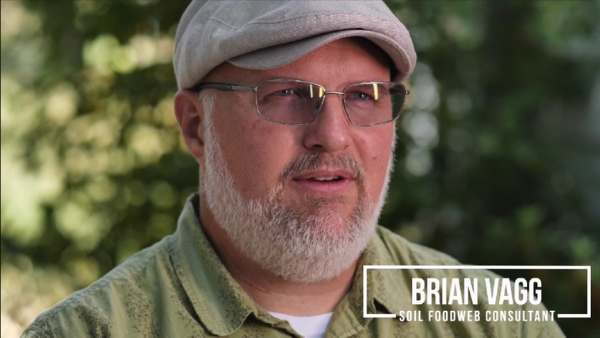
Soil Food Web Consultant
California
After a successful career as a program manager in IT, Brian decided to follow his passion for the environment and healthy food. He now runs a successful consultancy, Sprouting Soils. His clients include vineyards, orchards, and cannabis growers.
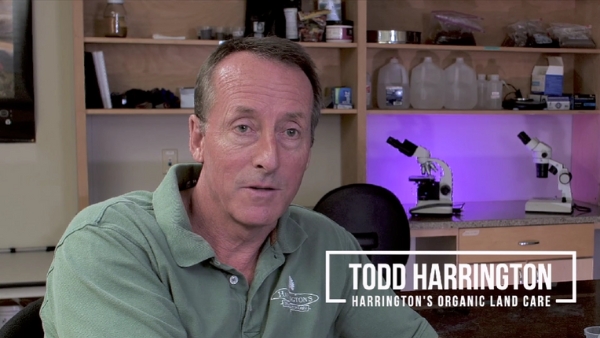
Soil Food Web Consultant
Connecticut
Todd was one of the first to ever train with Dr. Elaine Ingham. He’s built a successful business, producing Biological Soil Amendments and providing consultancy services. Todd’s company, Harrington’s Organics, employs 7 people and has numerous clients around the US and beyond.
Soil Food Web Consultants
Oregon
Nick has focused extensively on soil health since his time as an undergraduate at Oregon State where he discovered the work of Dr. Ingham. Now he spends his time sharing his exploration and implementation of soil health principles and techniques with clients in the Western US and beyond.
Meet some of your Instructors
With the SpringBoard 2025 offer you’ll get access to the knowledge of three leaders in their respective fields
Our Growing Faculty Combines Decades of Experience in Farming, Agronomy, Biology, Research and Permaculture

Wes Sander
SFW Consultant & Mentor

Brian Daubenspeck
SFW Consultant & Mentor

Ayşen Üstünay
SFW Consultant & Mentor

Isadora Shmidt
SFW Consultant & Mentor

Dora Tkalec
SFW Consultant & Mentor

Nick Padwick
SFW Consultant & Mentor

Ib Borup Pedersen
SFW Consultant & Mentor

Dr. Elina Psara
SFW Mentor Team Lead

Dr. Caterina Capri
SFW Mentor

Gerald Ramírez
SFW Mentor

Laura Campos
SFW Mentor

Dr. Nora Levay
SFW Mentor

Dr. Carla Portugal
SFW Mentor

Casey Williams
SFW Consultant & Mentor
Global Community
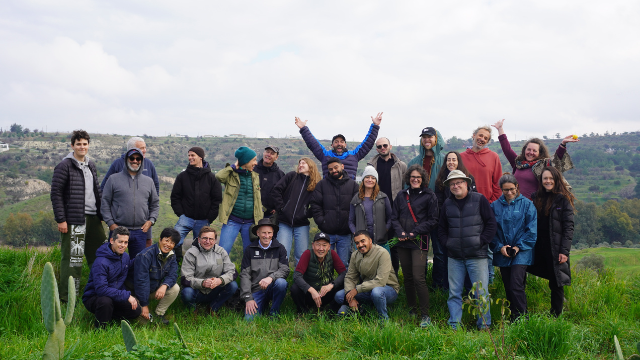
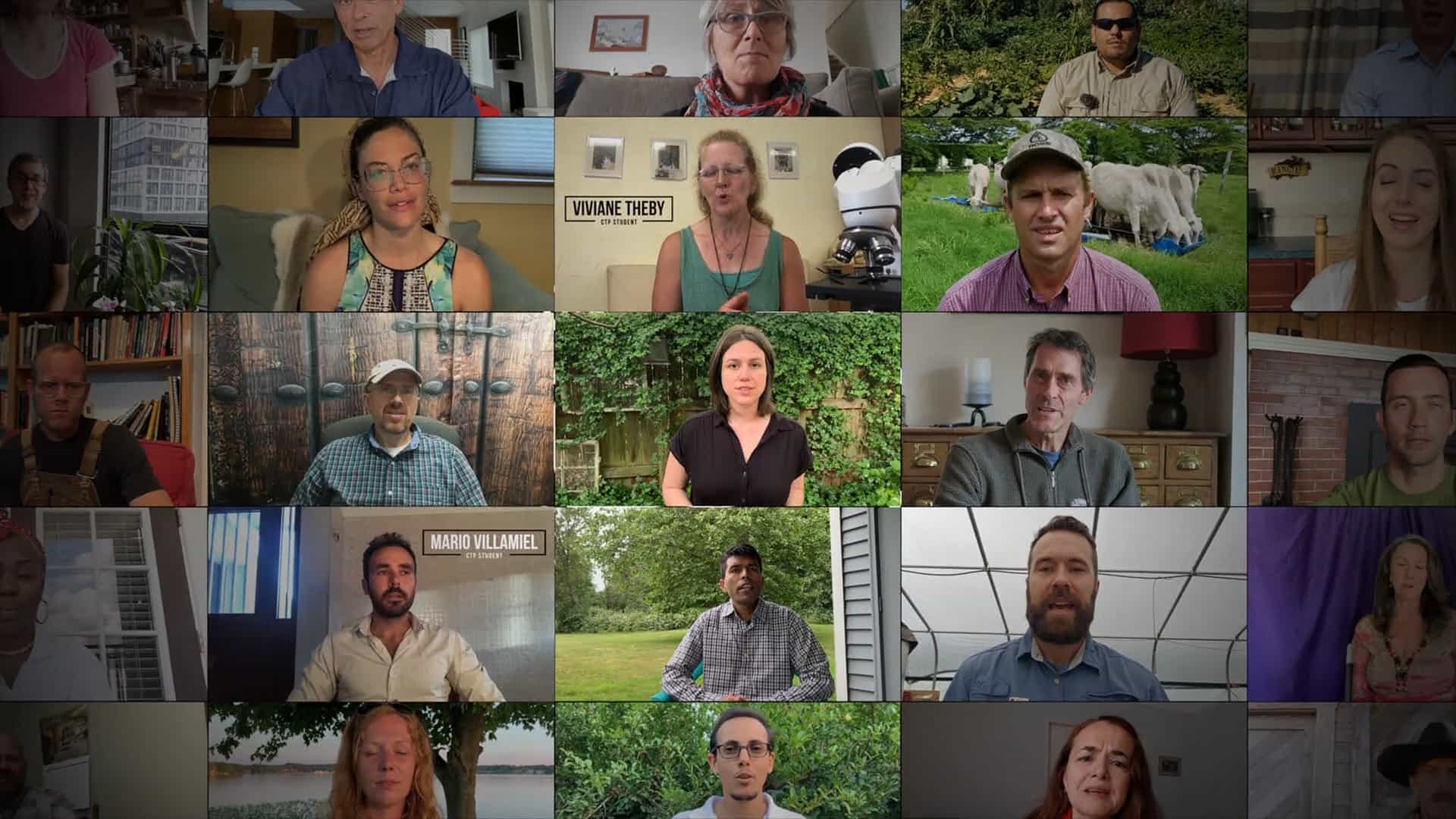
Join our global community of students, lab technicians, and consultants spanning over 130 countries! Connect with like-minded professionals who are passionate about restoring soil health and transforming agriculture. Whether you’re just starting out or running your own lab, you’ll gain inspiration, share insights, and collaborate with a network that’s driving the Soil Food Web movement worldwide.

Farmer Case Studies
Whether you’re growing on a small scale or large, alfalfa or almonds, United States or United Emirates, the Soil Food Web Approach simply works.

Adam York
10,000 acres Illinois, USA
York Farms is a multi-generational family farm growing soy and corn. Adam reported saving between $100-150 per acre “straight out of the gate”. He subsequently expanded his operation to service 100,000 acres of surrounding farms.

Roberto Silva Rodriguez
140 acres Piura, Peru
In this awesome film you can hear how Roberto has collaborated with Soil Food Web Consultant, Miles Sorel, and reported yield increases of over 100% in year 1, and nearly 100% in year 2.

Cory Miller
3,000 acres Montana, USA
Cory operates Grass Valley Farms where he produces high quality hay, beef, eggs and honey. He’s seen multiple improvements each year, since he started working with Consultant Casey Ernst.

Nick Padwick
1,000 acres Norfolk, UK
Nick has been in large scale farming for over 40 years. In this webinar he talks about his huge composting operation with over 1.5 miles of windrows currently in production, and how he’s able to treat 1,000 acres in under two days using the custom equipment he’s developed.
Consultant Case Studies
You could create a new income stream by supporting other farmers in your area.

Todd Harrington
25,000 acres Idaho, USA
Soil Food Web Consultant Todd Harrington reports increases in yields as high as 136%. From pastures to
alfalfa, potatoes, and beans, the biological methods introduced by Todd and his team produced remarkable results.

Renald Flores
Market Garden Makeover (Sweden)
Soil Food Web Consultant, Renald Flores, reported an average increase in yields of 72% across 8 different types of crops on this market garden project. Includes: potatoes, cabbage, onions, kale, fennel and more…

Shane Plath
5,000 acres South Africa
“Our farm was in serious trouble, but after implementing the SFW approach we increased our yield by 150% in a single season, and we were very successful to repeat this approach on different soils at different farms ….. We also cut many input costs such as fertilizers by at least 60%.

Miles Sorel
Ecuador, India, Peru, & USA
Terraforma saved one client $600 per acre and increased yields for another client by 146%. In this amazing webinar, Soil Food Web Consultant Miles Sorel presented case studies on projects from 4 different countries.
General FAQs
Will it work in my region?
Dr. Elaine has used the Soil Food Web Approach to regenerate soils on 6 continents. We now have students in over 100 countries and so far we haven’t found anywhere in the world where the soil ecosystem cannot be restored. (Antarctica is the obvious exception since the soil isn’t accessible there!)
Will it work on all crops and plants?
All plants form symbiotic relationships with microorganisms in the soil. That’s because when plants first evolved on the land, around 500 million years ago, the world’s soils were already populated with microbes. So these relationships have been there from the beginning. Our persistent disturbance of the soil, with the plow and more recently with chemicals, has destroyed the balance that existed in the soil ecosystem. Fortunately, we can put that right very rapidly with the Soil Food Web Approach, which is all about harvesting microbes from the local area, multiplying the aerobic microbes using Dr. Elaine’s close-control composting system, and then re-introducing them to the soil. With regenerative agricultural techniques like no-till, the soil biome is protected and so repeated treatments may not be necessary.
Will it work at a large and/or small scale?
The short answer is ‘yes’. Dr. Elaine has worked on large scale projects that cover thousands of acres. She has also worked on some smaller projects too. BioComplete™ Compost and liquid amendments can be produced at large scale, using industrial equipment and also at very small scale, using hand tools and home-made brewing kits. Of course, application at large scale is very different than it would be in someone’s garden, but the good news is that conventional spraying equipment and irrigation systems can be used to deliver BioComplete™ Liquid Amendments to the soil, with some very minor modifications.
Do I need a science background?
Our training programs are designed for people with no scientific or agricultural background. Dr. Elaine has an informal teaching style that makes the lectures easy to follow. You’ll have access to the Student Forum and monthly live Q&A sessions where your questions will be answered.
Will the program fit my schedule?
This is a flexible online program, so you can work at your own pace. The Foundation Courses can be completed in as little as 4 weeks or in as long as 12 months. The Mentoring Program is also designed to be very flexible. You can book sessions with your mentor when you feel you need support, and your mentor will be on hand to answer your emails. The program is designed for people with busy schedules.
Is this a cost-effective solution?
Dr. Elaine Ingham has spent decades collaborating with farmers in different parts of the world, working on a variety of different crop types, to develop the Soil Food Web Approach.
One of her primary goals was to ensure that farmers could provide their crops with sufficient nutrients and with protection against pests and diseases, without the need to use expensive chemical inputs, such as fertilizers and pesticides. Please take a look at the Case Studies videos on this page where you can hear directly from Farmers and Consultants who are reporting great results and financial benefits when using Dr. Elaine’s techniques as part of their process.
In the Testimonial videos on this page, you will hear from some of the folks who have trained with Dr. Elaine and who have followed in her footsteps to establish themselves as Soil Food Web Professionals. Each of them works independently and they run their own businesses, but they are all part of the Soil Food Web community. Some of them had no background in Farming or Biology. Careers in this space include: Soil Food Web Consultants, Lab-Techs and Compost Producers.
Bundle FAQs
Foundation Courses
What will I learn?
- About the various groups of microorganisms that make up a fully functional soil ecosystem, and how their interactions result in a constant flow of nutrients being made available to plants and trees.
- How plants and trees control the army of microorganisms in their root zones. Plants feed specific groups of microorganisms in order to harvest the particular nutrients required at any given moment. This results in vibrant, healthy plants and in supernutritious fruits and vegetables.
- That there is an abundance of nutrients locked away in the crystalline structure of the mineral particles that makeup all of the world’s soils – from the desert sands to prairies and forests, there is no soil on earth that is incapable of providing all the nutrients that plants require. The missing-link is the army of soil microorganisms that can access these nutrients and make them available to plants.
- How beneficial soil microorganisms prevent diseases and pests from attacking plants. By occupying infection sites all over the roots and all of the above-ground parts of the plant, beneficial microorganisms make it impossible for the ‘bad-guys’ to get access to the plant. In addition to this, beneficial microorganisms create aerobic conditions in which the ‘bad guys’ (which are mostly anaerobes) cannot survive.
- That beneficial microorganisms build structure in the soil, thus preventing soil erosion whilst simultaneously improving water-holding capacity, infiltration and oxygenation. Having structure in the soil enables roots to go much deeper into the ground, where they can access greater quantities of water and nutrients.
- About the way in which the presence of beneficial fungi results in diminished weed pressure. Have you ever noticed how there are very few weeds to be found in a forest?
- How introducing the Soil Food Web can drastically increase the ability of a soil to capture and store carbon from the atmosphere.
- The history of agriculture and how certain practices have resulted in the destruction of the Soil Food Web in so many of the world’s soils.
- Basic plant physiology and biochemistry. The course covers the basics that are required in order for you to be able to fully understand the processes that are taking place in a living, functional soil.
- You will review a number of case-studies that demonstrate the effectiveness of the Soil Food Web and how it can be implemented on projects of any scale, any crop and in any climate.
- How to make and apply BioComplete™ compost and liquids.
- About the different kinds of equipment you can use to make and apply the amendments you make.
- The farming practices that are harmful to soil biology and what farmers can do to avoid them.
- How to quantify the different organism groups in a soil, compost or liquid sample, using the compound microscope. This will enable you to measure results as they happen underground and before they happen above ground.
What's included in FC1?
In Foundation Course 1 you will learn:
- About the damage that modern agriculture has done to soils all over the world.
- How Regenerative Agriculture is the soil-ution and how you can rapidly regenerate your soils with the Soil Food Web Approach.
- How the Soil Food Web Approach can be adopted on any scale and in almost any environment, with a multitude of crops.
- About the 4 major groups of Beneficial Microorganisms that are needed to restore ecosystem functions to your soil.
- How Beneficial Microbes work in harmony with your crops to nourish and protect them.
- How benefits such as increased yields, reduced erosion, reduced pest, disease and weed pressures etc. can be achieved.
- About several projects from around the world that Dr. Elaine Ingham has worked on personally.
- About some of the management practices you can adopt to ensure that the biology in your soils is not compromised.
- How soil structure is created by beneficial microbes, improving water infiltration in clay soils and better water retention in sandy soils. And how good structure enables plants and beneficial microbes to penetrate deep into the soil profile, improving plant health.
- How beneficial microbes access the abundance of nutrients stored in the parent material (think sand and clay particles) and how this is then made available to your plants.
- How plants influence the soil biome, by releasing sugary exudates that feed specific groups of beneficial microbes, in return for nutrients.
- How having a balanced soil biome can result in great benefits, such as Weed Suppression and Increased Carbon or Organic Matter content.
What's included in FC2?
In Foundation Course 2 you will learn:
- About the different definitions of compost and why we consider it as a means of multiplying beneficial microbes instead of just a way of delivering nutrients to the soil.
- How to make your own Biological Compost, using Dr. Elaine’s close-control composting method that enables beneficial microbes to multiply rapidly, while suppressing detrimental microbes.
- Techniques that can be used to balance the biology in your compost, ensuring that the 4 main groups of microbes are present.
- How to apply Biological Compost to your soils so that beneficial microbes can interact with your plants in the root zone, offering nutrition and protection.
- About the various types of methods and equipment that can be used to produce Biological Compost, depending on scale. This includes vermicompost and hot-composting.
What's included in FC3?
In Foundation Course 3 you will learn:
- How to produce Biological Extracts and Teas from your Biological Compost, using different types of equipment depending on the scale you are operating at.
- About the uses and application methods of Biological Extracts and Teas
- How to apply Biological Liquid Amendments to your soils using different equipment, depending on the scale of your project. And how you can use conventional spraying equipment with some minor modifications.
What's included in FC4?
In Foundation Course 4 you will learn:
- How to correctly set up and use a compound microscope.
- About the biological morphology of the 4 major groups of beneficial soil microorganisms.
- How to identify and quantify the key groups of beneficial microbes that all soils need in order to be fully functional, using the compound microscope. This will enable you to conduct your own soil biology assessments on-farm.
- How to process and interpret data.
- How to recognize microarthropods, algae, pollen and other objects in your soil.
Are the courses all online?
Yes, the Foundation Courses are 100% online, theory-based courses. You will watch a series of lectures and take a short quiz after each one. You’ll also get access to the dedicated FC Forum, where you can ask questions and interact with members of the faculty and other students from around the world. And you can attend monthly webinars, where you can ask questions that will be answered by Dr. Elaine’s team and featured speakers who talk on specialist subjects.
Are the courses self paced?
Yes, they are. You’ll be able to login at any time, watch a lecture as many times as you like, then prepare for the short multiple-choice quiz that follows each lecture.
When can I start?
You can start as soon as you sign up.
Can I see a breakdown of the Foundation Course Lectures?
There are 63 lectures total in all four Foundation Courses. To see the full breakdown of the Foundation Courses and the lecture titles, please click here.
How much do they cost?
The regular price for the 4 courses is $5,000. With the SpringBoard 2025 offer you pay $2,499 and you get lots more FREE!
How long will it take me to complete them?
Students typically require about 150 hours in order to complete the FC at a reasonable pace.
We expect that a student can complete the FC in 4 weeks, if studying full-time. The maximum time allowed to complete the FC is 12 months. You can apply for an extension if you need it.
Do I need any qualifications to start the courses?
The courses are designed for people with no background in the field.
Will this course enable me to find employment as a Soil Food Web Consultant?
Students wishing to pursue a career as a Soil Food Web Consultant will need to progress from the FC to the Consultant Training Program.
What do graduates do when they have completed their training?
Some become Soil Food Web Consultants who help farmers, ranchers, and growers to transition away from using chemicals to a biological/regenerative farming technique. Others focus on producing great compost, which they then can sell to soil consultants or direct to farmers. And others become Soil Food Web Lab-Technicians who perform biological assessments for farmers and growers, or for Soil Food Web Consultants.